
Reserve Bank Governor Shaktikanta Das on Monday said with the country's foreign exchange reserves at $677 billion, it is comfortably placed to deal with any spillover effects and for financing of the current account deficit. Over the last three years, the country's foreign exchange reserves have surged by $270 billion. He said as per the latest data, the foreign exchange reserves are $622 billion.

India has built up buffers against cyclical difficulties and has ample foreign exchange reserves to withstand pressure on credit worthiness, S&P Global Ratings said on Thursday. Speaking at the India Credit Spotlight 2022 webinar, S&P Sovereign & International Public Finance Ratings director Andrew Wood said the country has a strong external balance sheet and limited external debt, making debt servicing not so expensive. "The country has built up buffers against cyclical difficulties like those, which we are experiencing right now," Wood said.

The rupee remains overvalued against the currencies of India's trading partners, even as it hit record lows against the dollar in August and September. According to the Reserve Bank of India's (RBI) real effective exchange rate (REER) index, the rupee stood at 5.5 per cent above its fair value in August, down from 7.7 per cent in July. This slight easing followed fears of a US recession and the unwinding of yen carry trades, which exerted pressure on the Indian currency.

The rupee has remained largely stable against the US greenback in the current calendar year (CY 2024), depreciating by just 0.59 per cent so far. However, it has considerably weakened against the euro and pound. The local currency has depreciated by 1.6 per cent against the euro and 5.6 per cent against the pound, as both currencies strengthened against the dollar during this period.

Sliding from a lifetime high, India's forex reserves declined by $4.148 billion to reach $603.933 billion for the week ended June 18 due to a fall in gold and currency assets, RBI data showed on Friday. The forex kitty had surged by $3.074 billion to a record high of $608.081 billion in the previous reporting week. The foreign currency assets (FCA), a major component of the overall reserves, declined by $1.918 billion to $561.540 billion for the reporting week, as per data by the Reserve Bank of India (RBI).

The Bombay Stock Exchange, the National Stock Exchange, forex, money market and oils & oilseeds will remain closed on Tuesday, December 9, on account of 'Bakri-Id'.

India's foreign exchange reserves declined $1.15 billion to $571.56 billion for the week ended July 22, according to RBI data. The reserves has been declining amid continuing volatility in the rupee which has also significantly depreciated against the US dollar. In the previous reporting week, the overall reserves had declined by $7.54 billion to $572.71 billion.

India's forex reserves increased by $4.23 billion to $597.51 billion for the week ended May 20 on the back of a high accretion of core currency assets, according to RBI data. The country's foreign exchange reserves had declined by $2.68 billion to $593.28 billion in the previous reporting week ended May 13. During the reporting week, the rise in the reserves was mainly on account of an increase in Foreign Currency Assets (FCA), a major component of the overall reserves, and gold reserves, as per weekly data released by Reserve Bank of India (RBI) on Friday.
The country's foreign exchange reserves declined by $5.01 billion to $588.31 billion in the week ended July 1, according to RBI data released on Friday. In the previous week ended June 24, the reserves had increased by $2.73 billion to $593.32 billion. During the reporting week ended July 1, the fall in the foreign exchange reserves was due to a dip in Foreign Currency Assets (FCA), a major component of the overall reserves, and also in the gold reserves.

Mayank Goyal, founder and CEO, moneyHOP, will answer queries related to how to best manage your money while travelling internationally.

The reserves nearing $ 428 billion can take care of imports for almost 10 months, according to market experts.

The country's foreign exchange reserves increased by $3.85 billion to $601.36 billion in the week ended May 27, according to RBI data. In the previous week, the reserves rose by $4.23 billion to $597.51 billion. During the reporting week, the rise in forex reserves was due to an increase in the Foreign Currency Assets (FCA) and the gold reserves, according to the Weekly Statistical Supplement released by the Reserve Bank of India (RBI) on Friday.
The country's foreign exchange reserves declined by $5.87 billion to $590.59 billion in the week ended on June 17, the RBI data showed. In the previous week ended on June 10, the reserves had dropped by $4.6 billion to $596.46 billion. In the reporting week, the forex reserves fell due to a dip in foreign current assets (FCAs), a major component of the overall reserves, and also in gold reserves, the data showed.

As the central bank continues to increase forex reserves by running down the forward book which totalled $42 billion as of end-July, signalling its strong resolve to build a bigger reserve cushion to aid its expansionary, unorthodox monetary policy, the reserves are set to top the $655-billion-mark by March, according to a report. The forex kitty declined by $2.10 billion to $619.36 billion for the week to August 13 due to a fall in the core currency assets and gold, showed the latest RBI data. The reserves had risen to a lifetime high of $621.46 billion in the previous reporting week ending August 6.

The country's foreign exchange reserves increased by $2.73 billion to $593.32 billion for the week ended June 24 on the back of a surge in the core currency assets, the Reserve Bank of India (RBI) said on Friday. In the previous reporting week, the overall reserves had declined by $5.87 billion to $590.59 billion. In the week ended June 24, the forex reserves swelled due to an increase in Foreign Currency Assets (FCAs), a major component of the overall reserves, and also in gold reserves, RBI said.

Foreign portfolio investors (FPI) have pulled out $3.5 billion from India's equity markets so far this month. The selling comes on the back of election-induced volatility and the rotation of flows from India to China, where stocks are available at half the valuations. If the selling pressure remains at the current level, this will be the highest FPI pullout since January 2023.
The Bombay Stock Exchange (BSE), the National Stock Exchange (NSE), Forex, Money, bullion, metals, oils and oilseeds, cotton, grains and solvent markets will remain closed on April 30 and May 1 for Lok Sabha elections and 'Maharashtra Day', respectively.

ED and Directorate of Revenue Intelligence have detected a significant increase in the outflow of Indian money, specifically into four countries --Thailand, Dubai, Singapore and Hong Kong.

The money-laundering case was filed by the ED after taking cognisance of a CBI FIR against the accused, whom the latter agency had booked for alleged violations of the Foreign Contribution (Regulation) Act (FCRA), 2010 and under section 120B (criminal conspiracy) of the Indian Penal Code.

Anil Agarwal, chairman of metals major Vedanta group, has called for the sale of government stake in Bharat Gold Mine and Hutti Gold Mine so as to increase production of the yellow metal in the country. In a social media post, Agarwal said global gold prices are currently at record highs and India imports 99.9 per cent of its requirement. "With massive investments, we can be a major producer of gold and a big generator of employment," Agarwal said.

Enforcement Directorate is jointly probing the case.
Market participants do not expect any immediate impact on the rupee from the Reserve Bank of India's (RBI's) a "comprehensive" master direction aimed at strengthening the framework for hedging foreign exchange risks. RBI Governor Shaktikanta Das, in his monetary policy statement, revealed that the central bank is poised to issue a master direction to consolidate guidelines for all types of forex transactions. But this development, according to market players, is more of a directional guidance than a mandatory directive.

Today, they can't meet even the piffling capital norm set by Mint Road - Rs 5 crore for partnerships and Rs 10 crore for public and private firms in this line of business. Bulk of the trades are put through e-platform offerings of Reuters, Bloomberg, JPMorgan, Barclays or Deutsche Bank. And they have the web-based FXall, FXconnect, Atriax, Hotspotfx and LavaFX for company.

India's foreign exchange reserves declined $867 million to $593.04 billion in the week ended September 15, the Reserve Bank said on Friday. In the previous reporting week, the overall reserves dropped $4.99 billion to $593.90 billion. In October 2021, the country's reserves had touched an all-time high of $645 billion.

The Union Finance Ministry on Friday announced key amendments to foreign exchange (forex) regulations, including mandating government approvals for all investments originating from countries that share land borders with India. The latest amendments also seek to simplify cross-border share swaps and streamline key definitions, such as "control". The updated regulations have aligned the treatment of downstream investments made by overseas citizen of India (OCI)-owned entities with those owned by non-resident Indians (NRIs) on a non-repatriation basis.
Continuing their downward trajectory for the third consecutive week, the country's foreign exchange reserves declined by $2.03 billion to stand at $617.648 billion in the week ended March 25, RBI data showed on Friday. In the week ended March 18, the forex kitty had declined by $2.60 billion to $619.68 billion. It had plunged by $9.65 billion to $622.27 billion in the week ended March 11.
The country's foreign exchange reserves crossed the $600 billion mark for the first time after increasing by $6.842 billion in the week ended June 4, RBI data showed on Friday. The reserves surged to a record $605.008 billion in the reporting week, helped by a rise in foreign currency assets (FCA), a major component of the overall reserves, as per weekly data by the Reserve Bank of India (RBI). In the previous week ended May 28, 2021, the reserves had swelled by $5.271 billion to $598.165 billion.

The country's foreign exchange reserves declined by $878 million to stand at $632.74 billion in the week ended January 7, RBI data showed on Friday. In the previous week ended December 31, the reserves had dropped by $1.47 billion to $633.61 billion. It had touched a lifetime high of $642.45 billion in the week ended September 3, 2021.

India's forex reserves decreased by $1.145 billion to $640.874 billion for the week ended on November 5 on a fall in currency and gold assets, the Reserve Bank said on Friday. The overall reserves had increased by $1.919 billion to $642.019 billion for the previous reporting week. Foreign currency assets, a major part of the overall reserves, decreased by $881 million to $577.581 billion for the reporting week, the RBI said in the weekly data.

India's foreign exchange reserves declined for the second consecutive week, ending $1.78 billion down at $635.91 billion for the week ended December 3, RBI data showed on Friday. In the previous week, the reserves had slid by $2.71 million to $637.68 billion. In the reporting week ended December 3, the dip in the forex kitty was mainly on account of a decline in foreign currency assets (FCA), a major component of the overall reserves.
The forex and money markets will remain closed on Friday on account of 'Buddha Purnima'.
India's forex reserves decreased by $587 million to $635.08 billion for the week ended December 24, the RBI said on Friday. In the previous week ended December 17, the overall reserves had decreased by $160 million to $635.67 billion. The kitty had touched a lifetime high of $642.45 billion in the week ended September 3, 2021.
The country's foreign exchange reserves declined by $160 million to stand at $635.667 billion in the week to December 17, RBI data showed on Friday. In the previous week ended December 10, the reserves had decreased by $77 million to $635.828 billion. It touched a lifetime high of $642.453 billion in the week ended September 3, 2021.
In the steepest weekly fall ever, India's forex reserves slid by $11.17 billion to $606.47 billion as the currency came under pressure due to geopolitical developments, according to the Reserve Bank data released on Friday. For the previous reporting week ended March 25, the overall reserves had slid by $2.03 billion to $617.65 billion. The steep fall in the reserves was because of a decline in the core currency assets, which fell by $10.73 billion to $539.73 billion.

After two months of net outflow, foreign investors turned buyers in June, infusing Rs 26,565 crore in Indian equities, driven by political stability and a sharp rebound in markets. Looking ahead, attention will gradually shift towards the budget and Q1 FY25 earnings, which could determine the sustainability of FPI flows, Vipul Bhowar, Director, Listed Investments, Waterfield Advisors, said.
Surging forex reserves, now over $108 billion, have put 'considerable' pressure on the Reserve Bank of India, which finds the existing money control instruments inadequate to manage the capital inflows, according to PNB Gilts.

India's forex exchange reserves increased by $289 million to $640.401 billion for the week ended November 19, the Reserve Bank said on Friday. The overall reserves had declined by $763 million to $640.11 billion in the previous reporting week. They had touched a life time high of $642.45 billion in the week ended September 3, 2021.

Among the Sensex firms, Kotak Bank, PowerGrid, ICICI Bank, HDFC Bank, PowerGrid were the major gainers. HUL, TCS, M&M, IndusInd Bank, HCL Tech were among the losers.
The country's foreign exchange reserves declined by $997 million to reach $638.646 billion in the week ended September 24, RBI data showed on Friday. In the previous week ended September 17, 2021, the reserves had tumbled by $1.47 billion to $639.642 billion. The forex kitty had surged by $8.895 billion to a lifetime high of $642.453 billion in the week ended September 3, 2021.
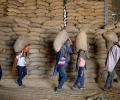
Domestic exporters on Monday expressed concerns over the crisis in Bangladesh and said the developments in the neighbouring country would have implications on bilateral trade. However, exporters expect that the situation may normalise soon. According to exporters, they are already facing disruptions in exports to Bangladesh due to a shortage of foreign exchange in that country.
 © 2026 Rediff.com - Advertise with us - Disclaimer - Privacy Policy - Sitemap - Feedback - About us - Terms of use - Grievances